Over the past couple of years, many things changed in the business and professional world. Organizations that mainly operated in person had to figure out new ways to conduct business. For the most part, working from home became a regular part of the work environment. Working remotely had ebbs and flows in popularity in the past, with many companies choosing to leave it behind. In 2020, they were faced with learning new ways to operate while being remote. Many people enjoyed the flexibility it afforded them.
Many businesses are allowing their employees to work from home. Some employees are looking for work that can be done at home and leaving previous employers if they aren’t allowing remote work. Those who are new to working from home may have questions about the best way to set up their work from home environment.
What is a VPN?
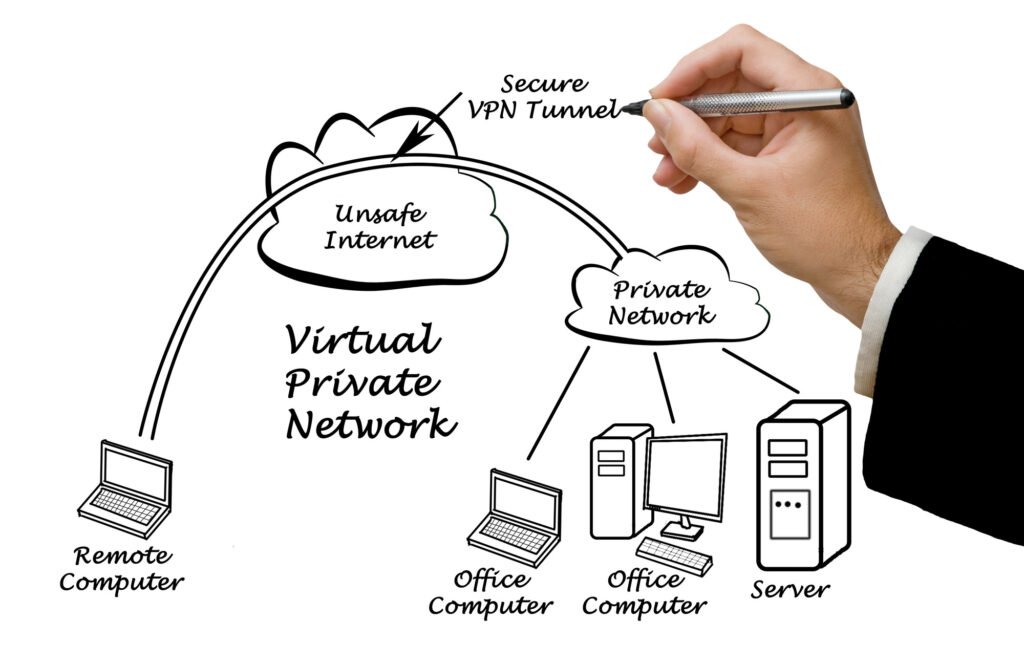
A VPN is a Virtual Private Network. This type of technology provides you with a secure and encrypted connection between a device and a network. This type of connection can be used to access the internet or a private network. A private network can be the internal network of a company. When you connect to a VPN, any data that is sent back and forth is encrypted and, therefore, difficult for someone to steal. All information is protected, including personal information like credentials and confidential information.
Do You Need a VPN to Work From Home?
VPN does not have to be used when working from home. It can be incredibly beneficial to use a VPN when you work from home. It may not be a requirement for you to be able to work from home, depending on what you do and the security policy of your employer. If you are working on anything that includes sensitive information, you should consider a VPN. Even if the sensitive information is your own and has nothing to do with your company, you may consider using a VPN to protect yourself and your information.
Some employers may require you to use a VPN, even if you are working for them as a contractor. You should understand the requirements of your company to help you determine if you should use a VPN. The IT department of your employer may be able to assist you by providing recommendations for using a VPN.
Benefits of Having a VPN
If you aren’t sure whether you should use a VPN to work from home, consider the benefits when making your decision.
A VPN can provide you with an encrypted and secure connection between any device you use and your company’s network. This protects any information you are sending back and forth to your company. This is incredibly beneficial when you are on public Wi-Fi. For example, if you want a change of scenery and decide to work at your local coffee place, a VPN can provide security so you can work and enjoy a good cup of coffee. Unfortunately, there are many cyber criminals out there waiting to intercept the information. A VPN can protect you from them.
A VPN gives you remote access to resources from your company. When you use a VPN, you can access the company’s network, including email, internal applications, and files. This can help you do your job more efficiently and effectively. In addition, it keeps you and the information safe the entire time.
Depending on your location, you may not be able to access services or websites. This is because they have geographical restrictions set. When you use a VPN, it appears as though you are in a different location which can provide you access to the resources that otherwise might be restricted.
When you use a VPN, you are compliant with any mandates or regulations that a company may have. For example, many organizations handle sensitive information and are required to protect this data. For example, they may have information about medical and financial records for customers and patients, and by law, they must protect it.
What Do I Need to Set Up a VPN?
Depending on your employer, they may have a VPN and provide you with access to it. If that’s the case, you follow their instructions for using their VPN. It is a simple process if you are self-employed or just plan to get your own VPN. However, there are some requirements of which you should be aware.
You need to start with a VPN subscription. There are VPN providers with whom you can sign up for VPN service. There are many different providers available. You may have to do a little research to find which one is best for you and your needs. Once you select a provider, you will need a VPN client. Many VPN providers will provide you with the client software that you need. You must install this on your device. You should install this software on any device you plan to use. This is critical because the software is what allows you to connect to the VPN server, which is what encrypts your internet connection. On another note, if you plan to use multiple devices, you can install the software on your router. This provides protection to all devices connected to your router instead of installing software on each device.
The devices that you plan to use must support the client. This means your device and the software must be compatible. The good news is most VPN providers support all device types, but you should still verify. You should be able to use any device you like, including iOS and Android tablets and smartphones, computers that run Windows or Mac, and even Linux devices. A stable internet connection is crucial. This is going to allow your connection to work correctly. If you have an unreliable or slow internet connection, you most likely are going to have a hard time connecting to the VPN. You will also experience slowness with your VPN connection.

Final Thoughts
You don’t need a VPN to be able to work from home. You can easily handle your work tasks without connecting to a VPN. However, using a VPN provides additional layers of protection for you and the work you are completing. If your employer requires it, you must use a VPN. If it’s not required by your employer, you should still consider it. It provides you with additional layers of security.
While you have to pay for your own VPN, many VPN providers require an affordable fee or subscription. The security and protection you receive from a VPN may be worth the cost to you. When making this decision, you should think about the information you are sending back and forth to your employer, customers, and other sources. If you think it should have extra protection, then you should consider a VPN when you work from home.
Other than VPN, visit our previous posts to find out about other tips, tools, and techniques on how you can effectively work from home.