Elon Musk, the CEO of SpaceX, X (Formerly Twitter), and Tesla, has expressed opposition to remote work. He believes remote work can negatively impact productivity and creativity and that people are most effective when working together in an office environment. Additionally, he has stated that remote work can lead to staff members feeling disconnected and isolated from the company and its mission.
Despite these beliefs, both SpaceX and Tesla have shifted to a remote work model due to the COVID-19 pandemic. Still, Elon Musk has stated that he is eager to bring employees back to the office as soon as possible.
According to a survey conducted by Buffer, 99% of respondents want to continue working remotely more often for the rest of their careers. In addition, 96% of respondents reported being satisfied with their current remote work arrangements.
Background on Elon Musk
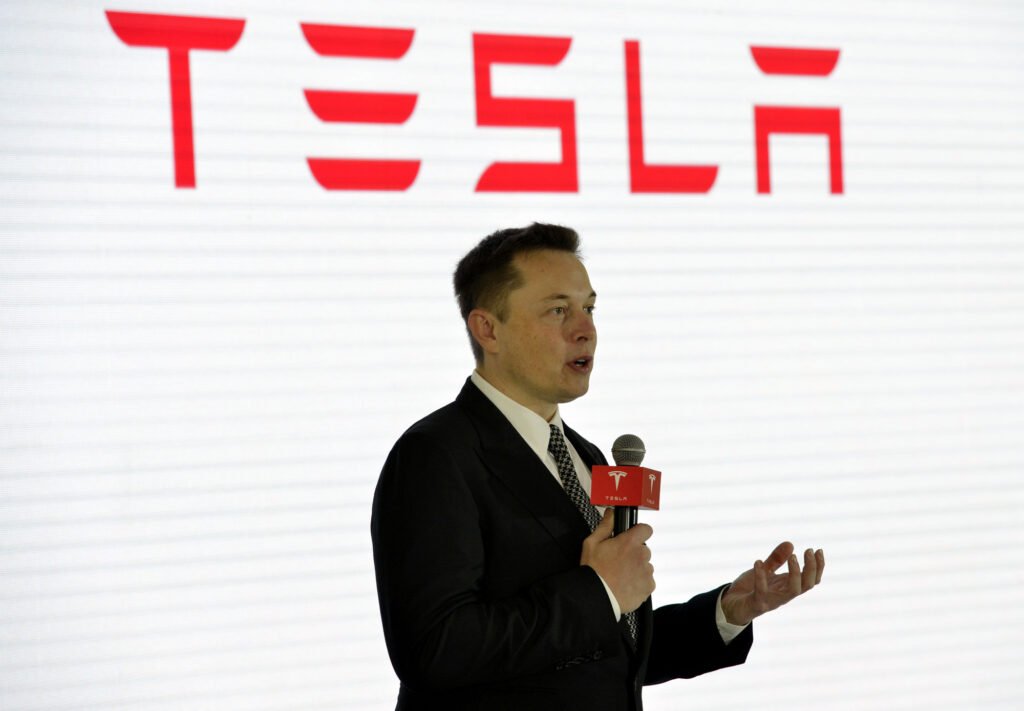
Elon Musk is a South African-born American business magnate, engineer, and industrial designer. He is the founder, chief engineer/designer, and CEO of SpaceX; an early investor and product architect of Tesla, Inc.; and initiator of The Boring Company. He is also currently the owner and CEO of X.
Elon Musk is also the initial co-chairman and co-founder of OpenAI, a non-profit-making research organization that promotes friendly AI (Artificial Intelligence). Musk obtained his undergraduate degree in economics and physics at the University of Pretoria and later pursued a Ph.D. in energy physics at the University of Pennsylvania.
Musk is known for his ambitious goals, such as reducing global warming through sustainable energy production and consumption and reducing the risk of human extinction by establishing a human colony on Mars. In addition, he has been involved in several successful business ventures, including PayPal, which eBay acquired for $1.5 billion in 2002.
Elon Musk’s Viewpoint on Remote Workers
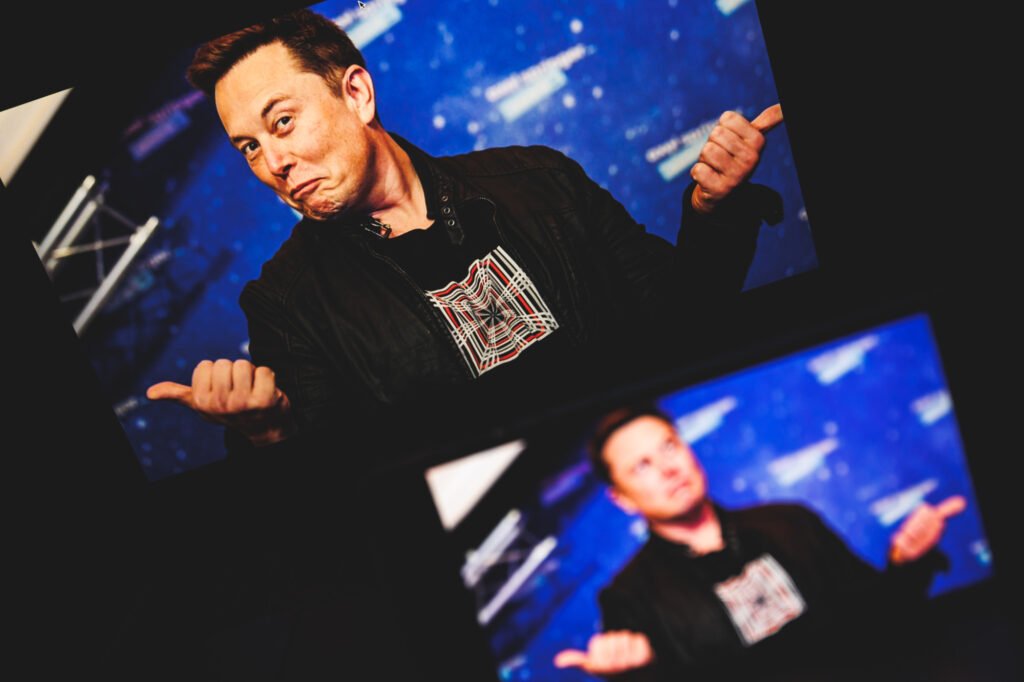
Recently, Musk has been vocal about his opposition to remote work, stating that it is detrimental to productivity and creativity. He has also tweeted that “remote work is not a good thing for the company” and that “it is not a good thing for employees either.”
He has cited the lack of “serendipitous interactions” as a significant drawback to remote workers. However, many experts argue that remote work can increase productivity and job satisfaction and reduce telecommute-related stress.
Some other reasons that Musk has given include:
- He believes remote working can lead to a lack of communication and collaboration among team members.
- He feels remote working can lead to a lack of accountability among employees.
- He thinks remote working can decrease productivity, as it can be harder to stay focused and motivated when working from home.
- He argues that remote working can create a “demotivating” work culture.
- He believes remote working can lead to a lack of innovation and creativity, as brainstorming and idea generation is best done in person.
It’s important to note that this is a highly debated topic with valid arguments from both sides. Some studies have shown that remote workers are more productive, while others have shown the opposite. Some studies suggest that working from home has no significant impact on productivity. It ultimately depends on the company’s culture, the type of work, and the individual’s preferences.
Why Telecommute Should Be Up for Debate
While remote work has many benefits, there are also valid reasons why it should be debated.
One of the main arguments against remote work is that it can lead to feelings of isolation and disconnection from colleagues and the company culture. In-person interactions and collaborations are vital for building relationships, trust, and team cohesion. Remote work can also make it more difficult for managers to monitor employee productivity and provide support.
It’s also true that remote work may only be suitable for some employees–some may feel overwhelmed working from home with family, pets, and other distractions. Furthermore, it can be difficult for employees to separate work from personal time, leading to burnout.
Another argument is that remote work can be challenging for companies that rely on face-to-face interactions and collaboration for their business model. For example, retail, healthcare, and education industries may require in-person interactions, and remote work may not be feasible.
Moreover, some studies and surveys have shown that remote workers may feel less engaged and motivated than those working in an office. They also tend to work longer hours, which can lead to burnout.
Remote work is not a one-size-fits-all solution and may only be suitable for some businesses and employees. Therefore, it should be up for debate, and companies should evaluate whether it is the right fit for them and their employees.

Why Work from Home is Here to Stay
Remote work should not be up for debate because it has been proven to have numerous benefits for employees and employers.
From an employee perspective, remote work offers increased flexibility and autonomy, which can lead to improved work-life balance and job satisfaction. It also eliminates the need for a daily commute, saving employees time and money. Furthermore, remote work can also increase employee productivity, allowing them to work in environments most conducive to their productivity and eliminating distractions that can occur in a traditional office setting.
From an employer perspective, remote work can lead to cost savings, as companies do not have to provide office space for all employees. It also allows a broader talent pool to be recruited, as remote work eliminates geographical limitations. Additionally, remote work can improve employee retention, allowing employees to continue working for the company even if they need to move for personal reasons.
There are, of course, certain types of work and industries where in-person collaboration is necessary. But for many jobs and industries, working from home is more effective than traditional office work.
The Current Status of Remote Work?
The remote work status varies depending on the industry, company, and location.
A study in 2021 found that 80% of employees surveyed said they would prefer to continue working from home. They would turn down a job that doesn’t offer work flexibility. Additionally, 77% of employees said remote work had improved their overall quality of life.
A survey by Gallup in 2020 found that 62% of U.S. employees worked full-time remotely due to the pandemic, while only 24% had worked remotely before the pandemic.
Popular opinion:
- Remote work has become a common practice in the modern world; it has been a great way to keep employees safe and comply with government guidelines during the pandemic.
- Remote work has also become more accepted by employers and employees, with many finding it a convenient and effective way to work.
- Remote work has several benefits, such as increased productivity due to home comfort, better work-life balance, and for sure savings on the cost of commuting with the high gas prices still lingering around.
However, it also has some challenges, such as a lack of face-to-face interaction, isolation, and difficulties with team collaboration for those who employees who need that type of stimulation. Therefore, companies and employees must find a balance and have clear communication and collaboration strategies. For a company finding remote work convenient, it’s a good strategy to let the experienced teams work remotely as well as new hires since technology can facilitate much of (if not all) of the required onboard training.
What is the Future of Telecommute?
The future of remote work is likely a combination of in-person and remote work, also known as hybrid work. Remote work will likely continue to be a popular option for companies and employees, but it may only partially replace in-person work. Many companies realize the benefits of remote work, such as increased productivity and cost savings, but also the importance of in-person collaboration and company culture.

Bottom Line
It appears that Elon Musk is against remote work because he believes it negatively impacts productivity and creativity. In addition, musk believes remote work can negatively affect company culture and employee morale. He has stated that remote work makes it harder for teams to collaborate effectively and can lead to a lack of accountability. But this theory doesn’t apply to every employee or company.
While remote work has become increasingly popular in recent years and has been shown to have many benefits, there are better fits for some companies or leaders. Ultimately, whether to adopt remote work should be based on a company’s specific needs and goals and should be implemented to support the company’s overall mission and values.
However, Musk isn’t the only billionaire with controversial opinions on remote work. You’ll most likely find that Sir James Dyson shares a lot of similar thoughts as Musk. Read more about him in our post here.